Sound is everywhere, where we are and where we are not, and produced by natural and man-made sources.
These latter sounds increasingly encroach into, or even dominate, the natural acoustic environment. It is difficult to avoid them wherever we may go, even deep inside the largest forests, where we still may hear high-flying aircraft.
Artificial sounds cause different levels of disturbance to the vocal communications of living beings, which form the major part of the natural acoustic environment, around us and beyond. They sometimes spoil or ruin our experience of listening to natural sounds, for pleasure, relief, or research.
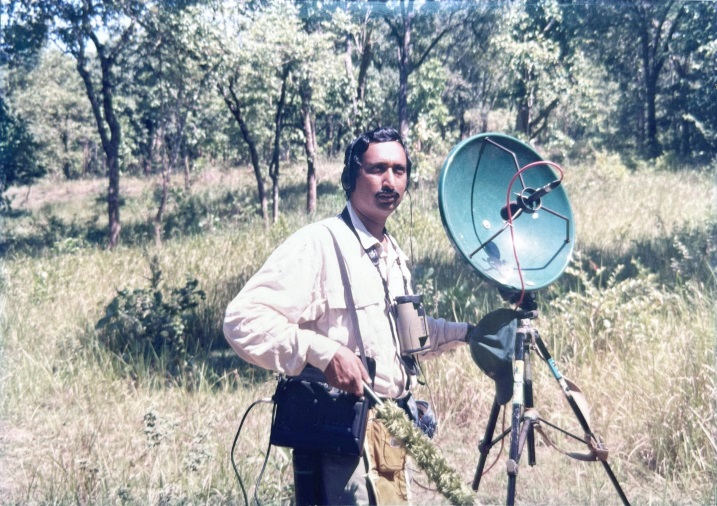
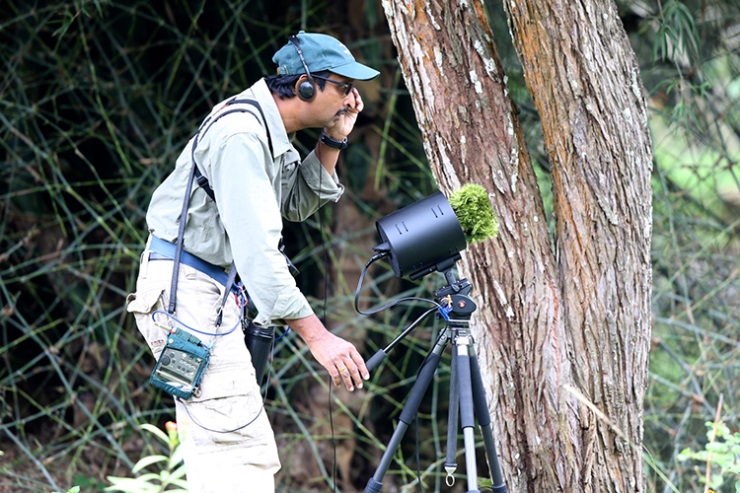
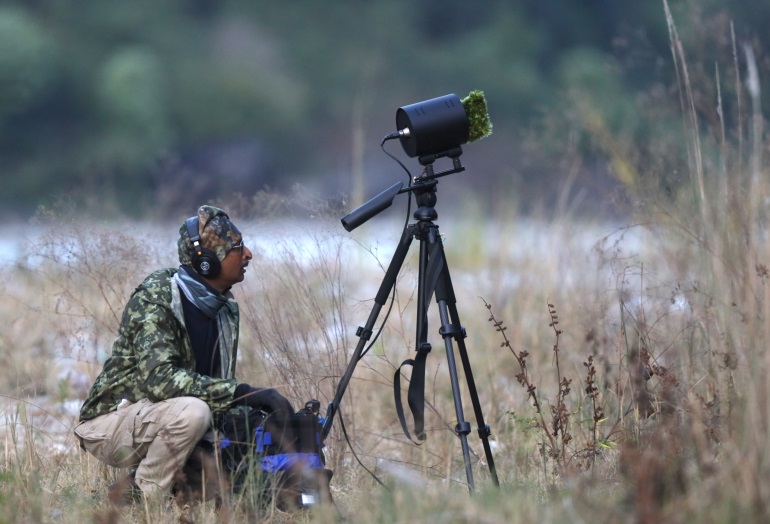
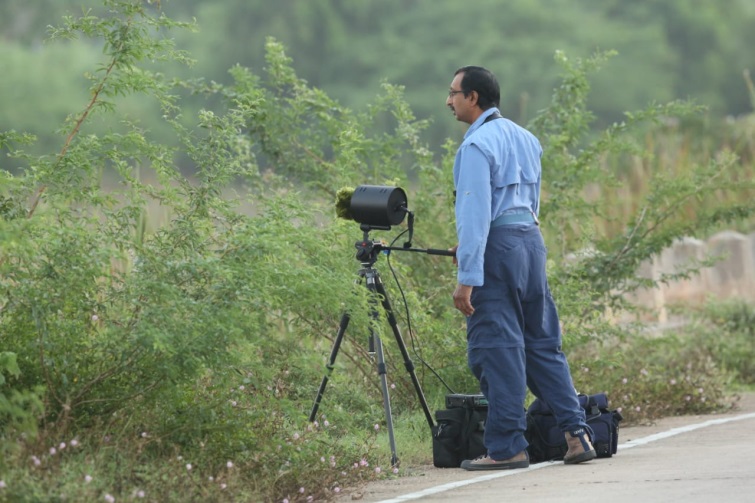
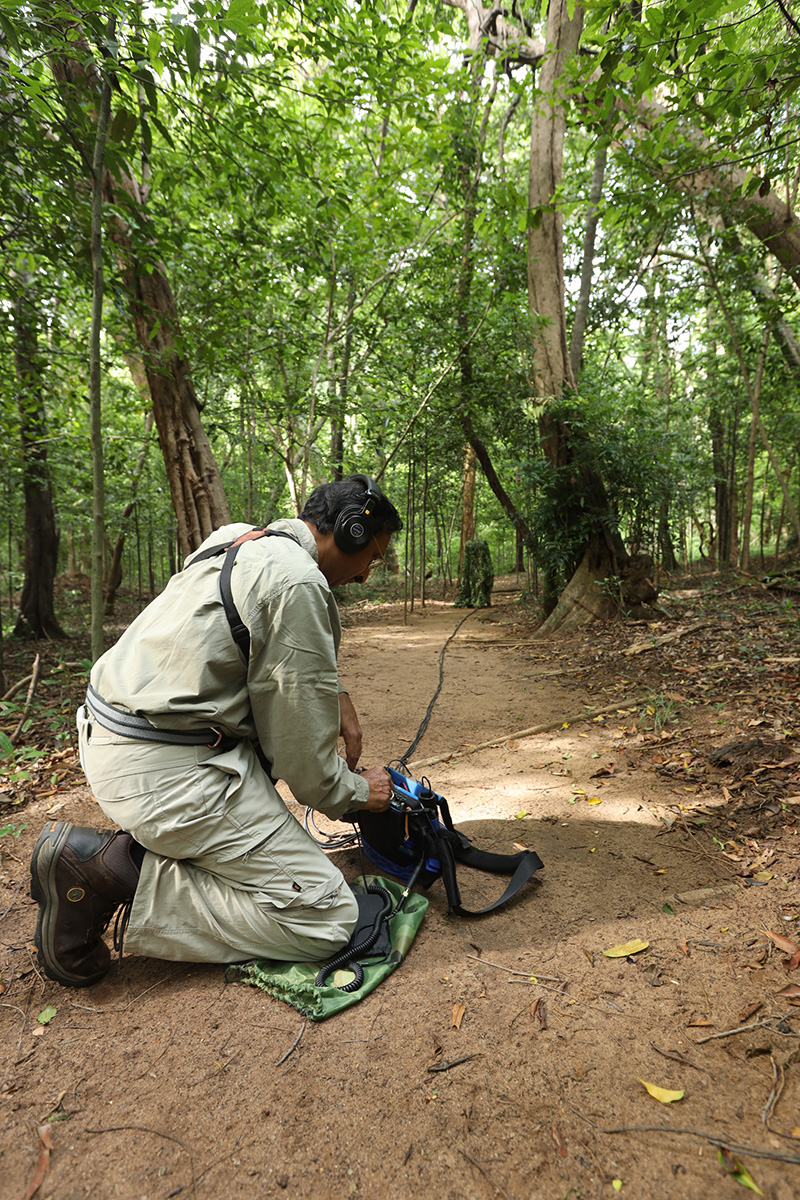
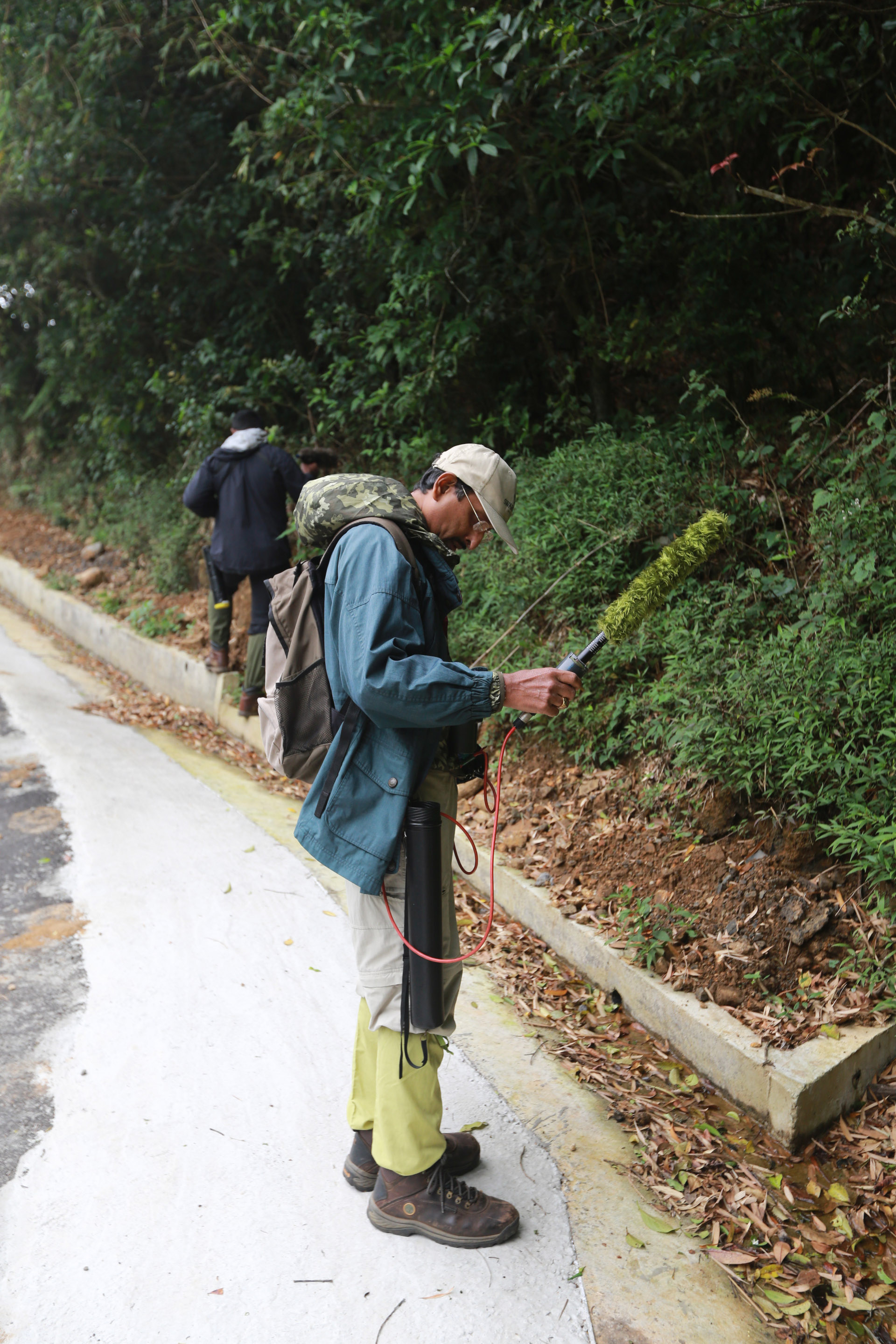
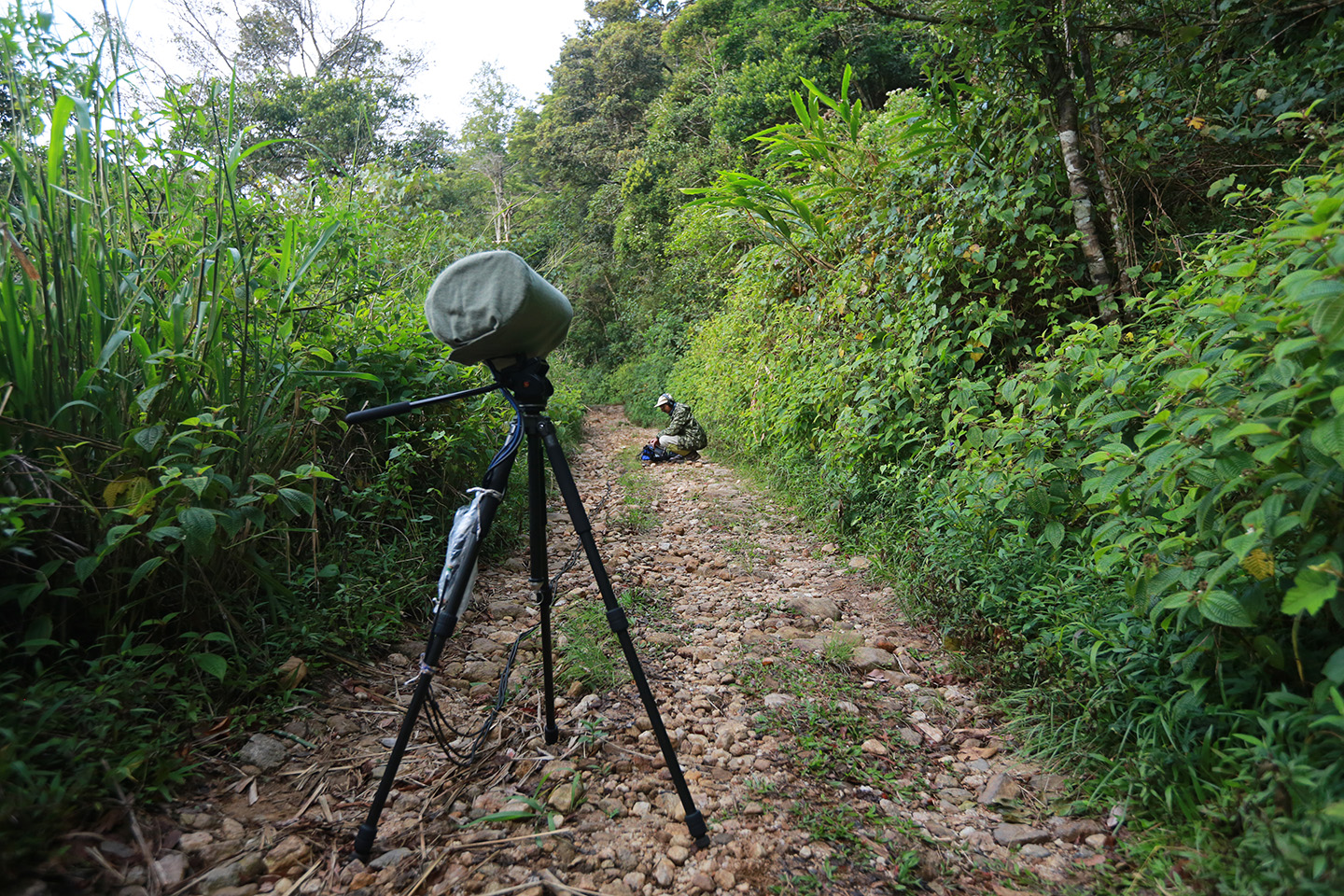
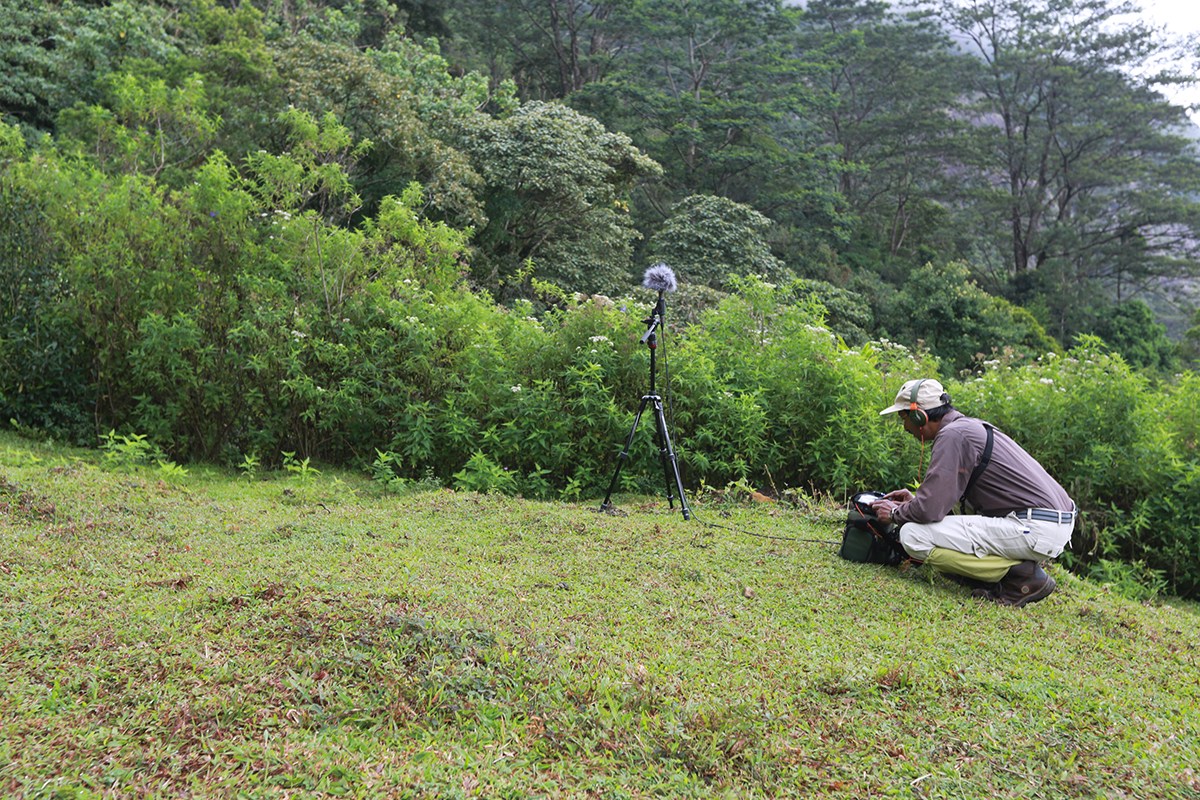
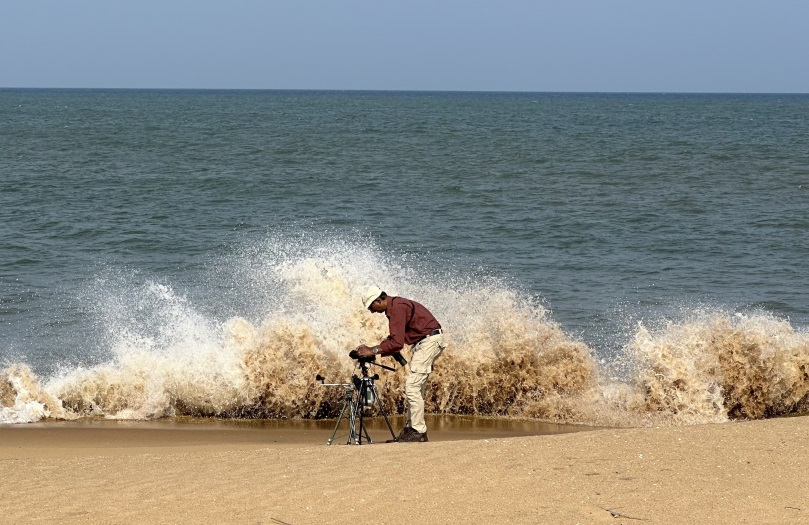
I began to realise this when I started audio recording of our birds' sounds in the early 1990s. Ever since I have been experiencing man-made sound pollution, increasingly over time, everywhere I have gone to record sounds of birds and other animals. It is sad that we continue to lose our chances to listen undisturbed to the pristine natural combination of sounds in our environment (for which I use the word tapestry, something woven together).
Most of the sounds of birds and other animals I present in this library had to be recorded with man-made sounds in the background or foreground. I have edited those out to a large extent in the preparation of the soundtracks featured here. Thus you will not experience these things obtrusively in your listening.
I explain as above also to avoid misleading you into thinking, on listening to the sounds here, that there is always a pristine tapestry of natural sounds present for us to experience, immerse ourselves into, and enjoy continuously wherever we go.
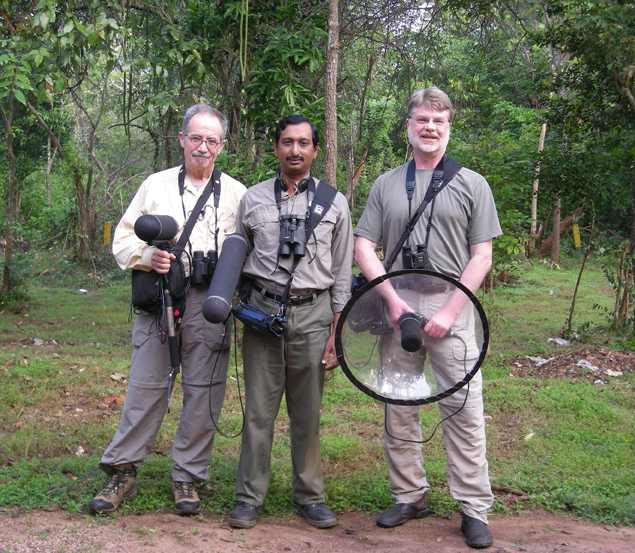
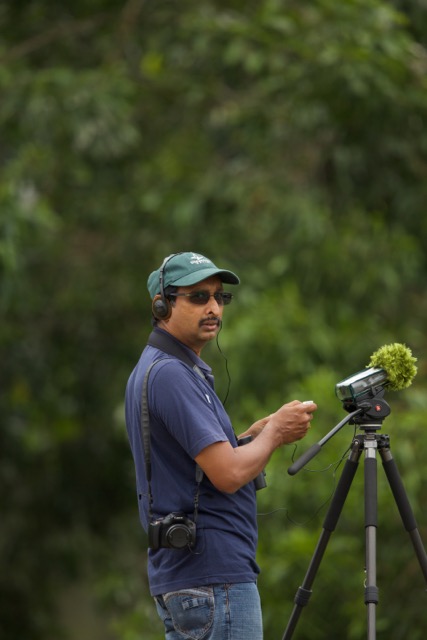
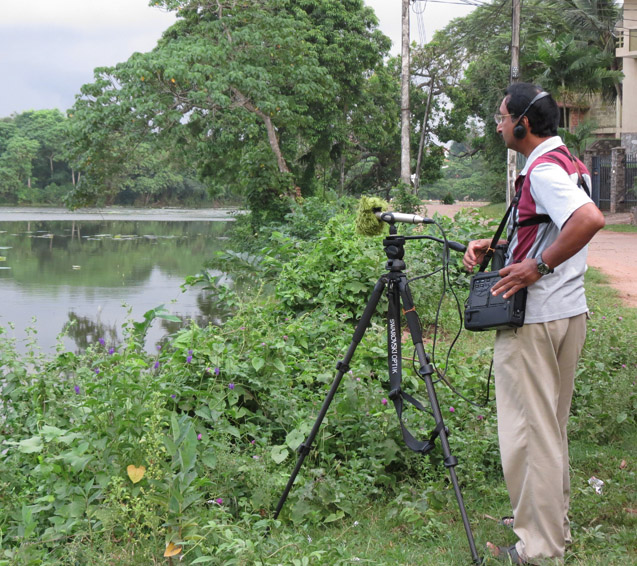
Back in the 1990s, I began recording bird sounds I encountered, in order to listen to them at home, and keep refreshing my mind, to help recall them when I next heard them in the field. It is also with the same thought that I now present these sounds to you.
The technology we now readily have has enabled me to do that. In the 1990s I had to present selected bird sounds in the form of cassette tapes without such advanced technical resources at hand. With their availability now, you can listen to the same sounds published then in "polished" form in the Album section of this library.
The present Sound Library section will continue to expand, with more and more sounds from both my old and new field recordings, towards completing the repertoire of each bird and other animal species.
This section also provides you options to select sounds of individual bird species in the habitats where you go birdwatching, and also sets of species to help understand differences in similar sounds among them.
The inclusion of the sounds of other animals in the library is an added benefit. I encountered these during my field recording sessions. You too will come across them during your sojourns in nature observation sites.
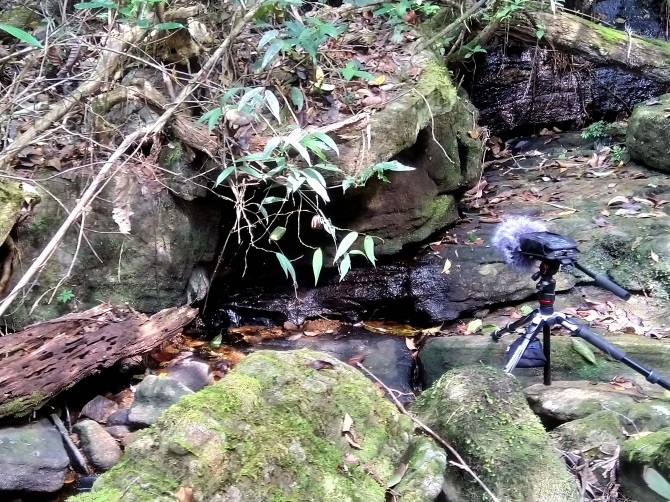
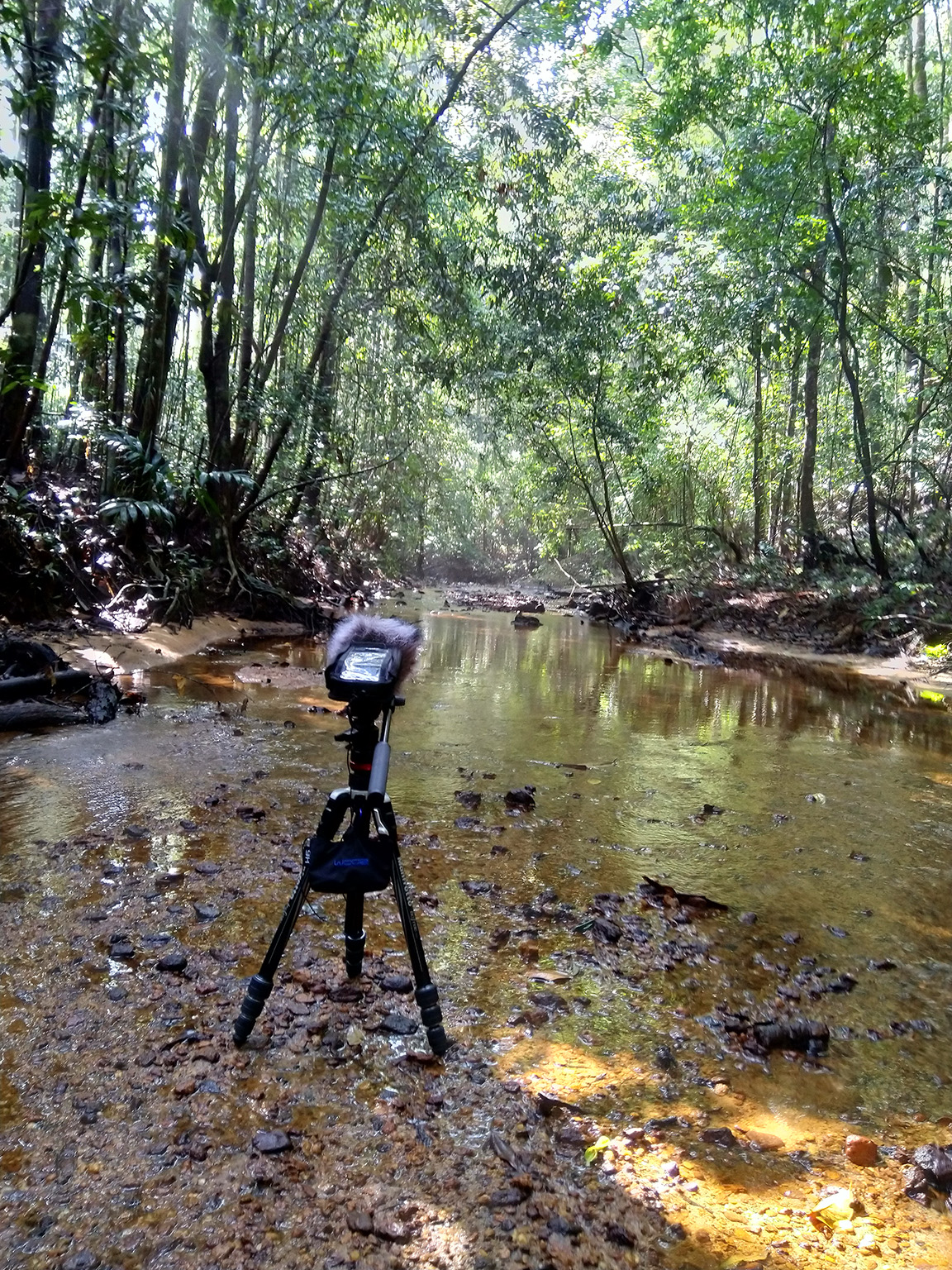
The Soundscape section is a unique presentation of some of the pristine, lengthy experiences of the entire natural sound tapestry around me, at the time of recording, in different habitats. What is here are selected continuous parts of hours of recordings made at the sites, which give you an actual idea of all the natural sounds heard there at the time.
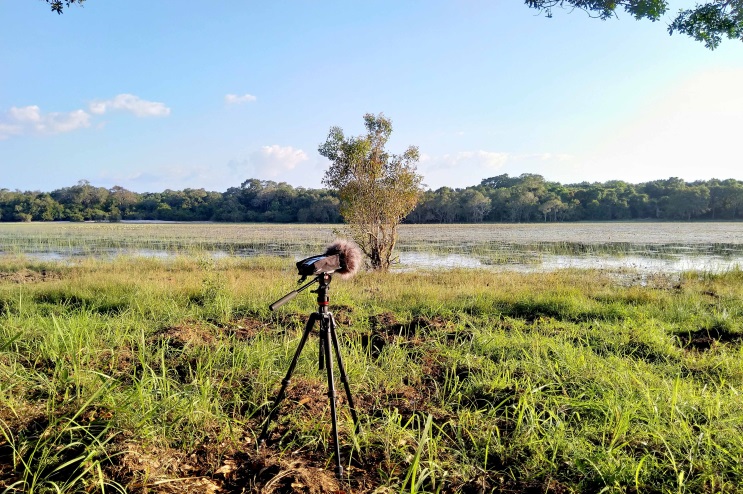
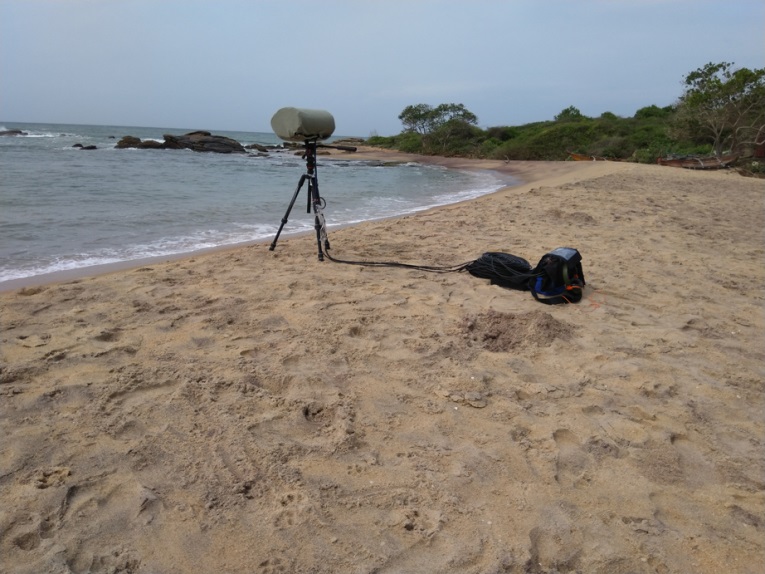
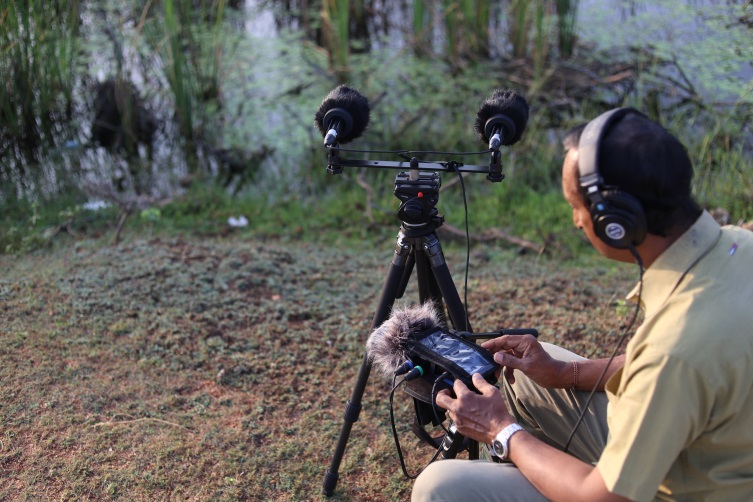
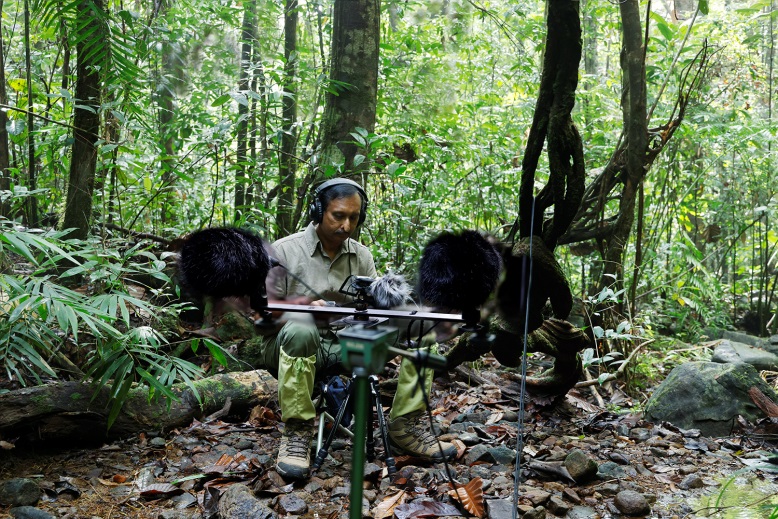
In the late 1990s I began to experiment with capturing natural soundscapes in stereo microphone configurations, which can give life-like spatial representation of all sounds, either around or in front of a listener, as per the technique deployed. Today this adds to more advanced recording technology now freely at hand. You have the chance to listen both some of the initial soundscapes done in the late 1990s and the later ones, in this section.
I am personally very happy to have captured many of these in pristine form, but the unspoiled natural soundscapes at several of these sites have already been lost, and, sooner or later, with the present rate of increase of sound pollution in our country, they may be lost in many of the other sites.
I hope that more people being aware of this will contribute to the better protection of such places from sound pollution. For this clear legal measures are needed. It is a yet neglected aspect of nature conservation in Sri Lanka.
If you have read this far, you may realise that your subscription to this library helps not only to enhance your own recognition and understanding of our natural sounds, but also to retain and expand this resource online, which will widen the knowledge of nature and its exploration in Sri Lanka.
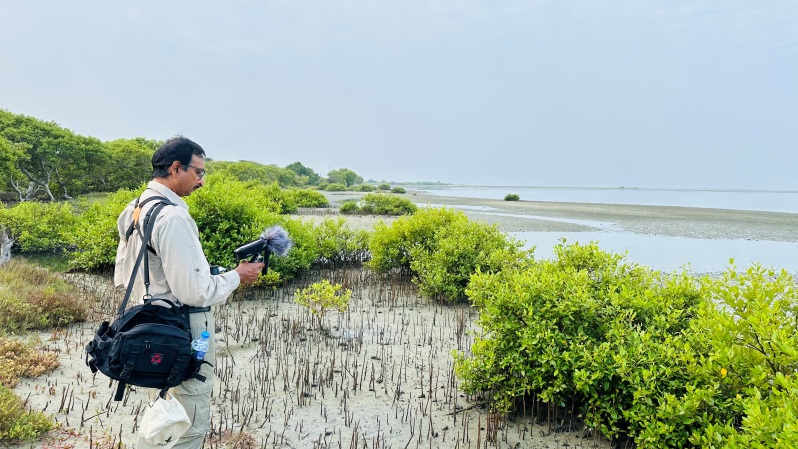
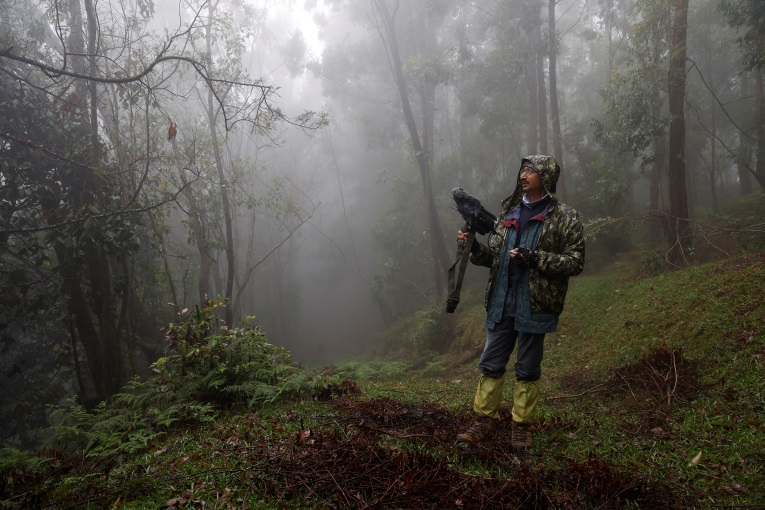
I express my sincere thanks to Uditha Hettige, Kithsiri Gunawardhana, Palitha Antony, Namal Kamalgoda, Gehan Rajapakse, Sarinda Unamboowe, Senaka Abeyratne, Varuna Abeyratne, Akila Abeyratne, Sudheera Bandara and Gehan Rajeev for kindly providing their photos for this site.
Happy listening!
Deepal Warakagoda
August 2026